Emergency Dentistry Summerfield

Stop Your Dental Pain Now

Ignoring a dental emergency (or even a potential dental emergency) is one of the worst decisions you can make. Broken or infected teeth do not get better on their own; in fact, the situation will only grow worse over time. When you need urgent care, Dr. Tristan Parry will do everything he can to schedule an appointment for you as soon as possible (ideally on the same day as your call). Keep the phone number for Magnolia Shores Dental close at hand so you can get in touch with us immediately when you need emergency dentistry in Summerfield, NC.

Why Choose Magnolia Shores Dental for Emergency Dentistry?

  • Dentist with Years of Experience & Advanced Training
  • Carefully Chosen Team That Delivers Personalized Care
  • State-of-the-Art Dental Technology and Treatment

How We Treat Dental Emergencies
  • Call and schedule an appointment today: The sooner you call, the more likely we can get you seen for emergency care. A team member can give you more specific first-aid instructions over the phone depending on your circumstances.
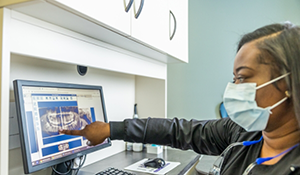
  • Get an emergency exam performed by Dr. Parry: The best way to resolve your dental emergency will be through a detailed exam from Dr. Parry. During your visit, he can also get you out of any immediate discomfort.
  • Provide a treatment recommendation: Following your exam, Dr. Parry can break down his findings and create a treatment plan that addresses your symptoms at the source and prevents them from coming back. Before completing any phase of care, you’ll receive an estimate and expected timeline so you can be fully informed before deciding on how to move forward.
  • Get the care you need and resolve your symptoms: Depending on the type and severity of your emergency, we may recommend dental fillings, crowns, root canal therapy, tooth removal, or another service entirely.

The Most Common Dental Emergencies

Whether you were in an accident that involved getting hit in the mouth or are suffering the consequences of poor oral hygiene, you need to acknowledge your dental emergency so that you can take the appropriate first-aid steps. Below, you’ll find some examples of common emergencies as well as general tips for dealing with them after calling our office and scheduling an appointment.

Understanding the Cost of Emergency Dentistry

Dental injuries can be stressful to handle. However, arguably one of the most nerve-racking parts for patients is handling the bill afterward. Don’t worry – we do everything we can to make this process easy and worry-free, from being transparent about the cost upfront to offering several payment options. If you’d like to learn more about the cost of emergency dentistry in Summerfield, you’re invited to read on or give our team a call!

Every Dental Emergency is Different

Simply put, different emergencies will have different solutions; some can be solved with a crown while others require more complex procedures. As such, it’s difficult to give you an estimate of the treatment costs until we’ve had a chance to examine your mouth and identify the underlying issue. Fortunately, we make gentle, personalized care our top priority, and that means finding the best way to stop your pain and repair your smile with an affordable treatment!

Does Dental Insurance Cover Dental Emergencies?
It depends, but the answer is yes for most patients! The best thing to do is review the fine print on your dental plan and reach out to your provider with any questions you have. That way, you can have a better idea of what your available benefits are and what your out-of-pocket expenses may be in case of an emergency. As always, our team at Magnolia Shores Dental is here to help. We can go over your policy with you and answer any questions you might have, whether you need emergency treatment immediately or would like to know for the future.

Other Options for Making Dental Emergencies Affordable
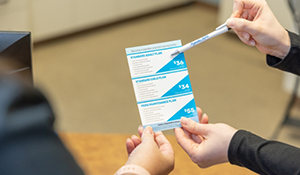
In short, there are numerous ways to save with us. As we mentioned in the previous section, we welcome dental insurance and do our part to maximize your benefits. However, we also offer several other financial solutions, starting with our very own membership plan. For a low monthly fee, you can save on dental care, helping reduce your out-of-pocket expenses significantly. Plus, we welcome flexible financing with trusted third-party financiers, like CareCredit, Alphaeon, Proceed Finance, and Cherry. As a result, you don’t have to pay for your entire treatment upfront. Instead, you can space out your payments as needed!

Taking Care Of Your Smile Can Save You Money

It’s common for patients to only concern themselves with the cost of their care once they need extensive restorative or cosmetic dentistry. In reality, one of the best ways to prevent a pinch on your wallet is by prioritizing preventive care, such as visiting us every six months for a dental checkup and cleaning. That way, we catch oral health problems before they necessitate a same-day visit to our office. Of course, that also extends to your at-home oral hygiene routine, which should include brushing, flossing, and rinsing with mouthwash consistently.

Keys to Preventing Dental Emergencies
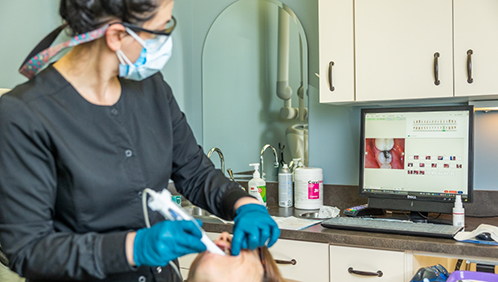
Although many dental emergencies aren’t completely predictable, there are ways you can improve your chances of avoiding them. While some cases can happen when you least expect them, others can gradually develop into serious conditions that might have easily been prevented with early care. That’s why it’s crucial to take certain steps to lower your risk of damaging your smile. Keep reading to learn five essential ways to prevent dental emergencies in Summerfield!

Visit Your Dentist Regularly

Some dental conditions, like cavities, cracks, and infections in your smile, can worsen over time without you feeling or noticing them. For this reason, it’s best to schedule routine checkups and cleanings with our team every six months or sooner. We’ll thoroughly monitor your oral health, detect any developing issues you may have, and provide the necessary treatment before they become more serious in the future.

Keep Good Oral Hygiene at Home
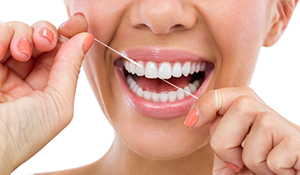
One of the most effective methods to maintain a clean and healthy smile is to practice proper dental hygiene every day. If you don’t clean your teeth frequently, then you can risk accumulating plaque, tartar, and bacteria on your gums and teeth. Leaving these particles unchecked can cause your enamel to weaken over time and infect your gum tissue, turning into a dental emergency later on. To prevent these complications, be sure to brush for two minutes twice daily, floss at least once, and rinse with mouthwash often.

Stick to a Nutritious Diet

You’ve likely learned that eating sugary treats like candy frequently can create cavities or give you a toothache. While these kinds of snacks can risk decay, other foods can be harmful to your smile in different ways. Eating hard foods and drinking acidic beverages too often can significantly increase your chances of a wide range of dental emergencies, such as cracked teeth and dental abscesses. Try eating meals that are higher in fiber, vitamin C, and calcium to naturally preserve stronger and healthier pearly whites.

Wear a Mouthguard

While your enamel is the hardest substance in your body, it can still break via a sudden impact or exposure to excessive pressure. Playing sports can often get physical, and you can accidentally get hit in the face, increasing the risk of damaging a tooth. To protect your smile, you should consider investing in a mouthguard to cushion and keep it comfortable. This can also be helpful if you experience bruxism or grind your teeth in your sleep, which we can treat by providing you with a personalized nightguard.

Use Tools to Open Packages, Not Your Teeth
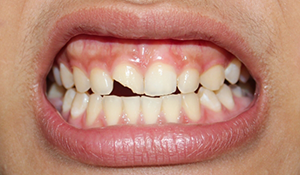
Sometimes, people might feel rushed, excited, or lazy when receiving a package, so they’ll try opening it with their teeth. Using your pearly whites as tools for opening things can be detrimental to your smile. By doing so, you can risk chipping or cracking a tooth, which can cost you more time and money later on. Instead, make sure to use the appropriate tools for packages, and save your teeth for eating and smiling. Feel free to reach out to our team if you have any further questions on preventing dental emergencies!

Dental Emergency FAQs

Will my toothache go away on its own?

Toothaches do not typically go away on their own, so it’s best to schedule a checkup with a dentist to ensure that nothing is wrong. There are many potential causes for a toothache, so you’ll want to rule them out with a professional as soon as possible. This way, underlying issues can be caught before becoming more serious.

How should I sleep with tooth pain?

If you’re dealing with a toothache at night, it can be difficult to get quality sleep. Start by keeping your head elevated. This will prevent blood from rushing to your head and intensifying your toothache. Try taking over-the-counter pain relievers as needed and avoiding foods that are acidic, hard, or cold before bed. Cold compresses have also been shown to be helpful when it comes to dulling discomfort.

Should I visit the emergency room first for dental emergencies?

Most emergency rooms aren’t able to address dental emergencies effectively, so you are almost always better off seeing an emergency dentist instead. However, there are a few main exceptions where the ER is a better option. Head to your local emergency room if you have a fractured or dislocated jaw, a serious cut or laceration to the face, or an abscess or infection that is swollen to the point where it’s affecting your ability to breathe or swallow. In virtually all other circumstances, see a dentist first.

Are knocked-out baby teeth a dental emergency?

Baby teeth are supposed to come out, so you shouldn’t try to put them back into your child’s mouth. However, baby teeth can come out too soon, so you should schedule an exam for them to make sure damage hasn’t occurred. Permanent teeth can erupt too early if a baby tooth falls out too soon. If bleeding doesn’t stop or you believe your child has a damaged jaw, they should be taken to the emergency room for treatment.

Toothaches

Is my toothache a dental emergency?

There are many reasons why you could be experiencing a toothache. It could be the result of something minor, or it could be a more problematic issue that needs to be addressed immediately. If you have a toothache that’s sharp, throbbing, or accompanied by a small, pimple-like bump on the gums, you should schedule an appointment with us right away.

How you should handle a toothache:

If you have a toothache, begin by rinsing your mouth with water and flossing around the tooth. You may want to swish some saltwater around your mouth to disinfect the area and reduce inflammation. To numb any soreness, try using an over-the-counter pain reliever as directed and apply a cold compress. Give us a call to schedule an appointment.

How we treat toothaches:

Before you can treat your tooth, we will need to examine your smile to determine the cause of your toothache. In many cases, a toothache can be treated with a filling or dental crown. In more severe cases, gum disease therapy, root canal therapy, or an extraction may be necessary. We can determine the best way to treat your smile when you visit our practice.

Learn More About Root Canal Treatment
Learn More About Gum Disease Treatment

Chipped Tooth

Is a chipped tooth a dental emergency?

Chipped teeth aren’t usually a dental emergency, but you should still schedule an appointment with us within a few days. Even if your chip is small and not noticeable, leaving it without treatment can cause additional damage.

How you should handle a chipped tooth:

Start by rinsing your mouth out with water. Collect larger pieces of your tooth if you can. When you come to the dental office, bring them with you. In the meantime, avoid chewing on the side of your mouth where the chip is located. If your tooth is sharp or jagged, apply some dental wax so you don’t accidentally cut your lip or cheek.

How we treat chipped teeth:

In most cases, chipped teeth can be repaired with dental bonding in a single appointment. However, if your chip is on a more visible tooth, like a front tooth, you may want to consider a longer-lasting cosmetic option, like a veneer.

Learn More About Dental Bonding
Learn More About Veneers

Cracked Tooth

Is a cracked tooth a dental emergency?

Cracked teeth can be very painful, and they leave your smile vulnerable to bacteria. In some cases, it can be difficult to see cracks in your teeth. If you notice that you have increased sensitivity or discomfort after biting down on something hard or taking a blow to the face, you may have cracked one or more teeth, so you should seek treatment as soon as you can.

How you should handle a cracked tooth:

You should start by rinsing your mouth with water. This helps keep the area clean until you can receive treatment. Next, give us a call to schedule an emergency appointment. If you notice swelling or are experiencing pain, this can be lessened with a cold compress and/or over-the-counter pain relievers.

How we treat cracked teeth:

The treatment used for cracked teeth depends on how badly the tooth has been damaged. Minor cracks can sometimes be resolved with dental bonding, but more serious ones may require a tooth extraction. A lot of the time, a cracked tooth can be treated by concealing it with a dental crown.

Learn More About Dental Bonding
Learn More About Dental Crowns

Very Sensitive Teeth

Are very sensitive teeth a dental emergency?

Some degree of tooth sensitivity can be a normal symptom of day-to-day wear, but if it ever gets to the point where it hurts or it noticeably worsens over time, it could indicate that your teeth have developed decay and need to be treated.

How you should handle very sensitive teeth

As soon as your teeth feel sensitive to hot, cold, or sugary substances, monitor what triggers the response, and try to avoid it. We also recommend using toothpaste and other products specifically meant to help with tooth sensitivity, which typically contain high amounts of fluoride.

How we treat very sensitive teeth 

If we find that a cavity is causing your discomfort, we can resolve it with a tooth-colored filling or dental crown. As a result, you should feel back to normal and be able to eat and drink as you did before. For teeth that are simply worn down, we offer fluoride treatment, which is extra concentrated to strengthen tooth enamel.

Learn More about Fluoride Treatments
Learn More about Tooth-Colored Fillings
Learn More about Dental Crowns

Knocked-Out Tooth

Is my knocked-out tooth a dental emergency?

Knocking out a permanent tooth is one of the most urgent dental emergencies you can experience. Unfortunately, there is a time limit in which the tooth can be saved; after about an hour, the odds of successfully re-implanting the tooth drop significantly. That’s why you should give us a call and come to our office as quickly as possible.

How you should handle a knocked-out tooth

Pick up the tooth by holding the crown, which is the portion that is usually visible. Do not touch the root structure or tissue that could still be attached. Gently rinse the tooth and your mouth with water, and then put the tooth back into the socket. If you find this too difficult, you may hold the tooth in your mouth between your cheek and gums or store the tooth in milk to keep it moist.

How we treat knocked-out teeth

Unless you’ve already done so, we will reposition the tooth within the arch where it belongs. In some situations, we will then place a splint, which is an oral appliance that attaches the shaky tooth to the ones around it for stability as the connective tissues heal. For whatever reason, if we are unable to save the natural tooth, we will talk about your replacement options, namely a dental bridge, denture, or implant.

Learn More about Dental Bridges
Learn More About Dentures
Learn More about Dental Implants

Lost Filling or Crown

Is a lost filling or crown a dental emergency?

When a filling or crown comes off your tooth, it cannot function properly within your mouth. In other words, you won’t be able to bite or chew without the restoration. Plus, it can be painful to lose a filling or crown! So, if you find yourself in this situation, you should most certainly reach out to our team for an immediate appointment.

How you should handle a lost filling or crown

Try to locate the restoration and rinse it gently before putting it back onto the tooth. To hold it temporarily in place, place a small dab of toothpaste on it beforehand. Keep in mind that a more permanent solution will be needed, but this should do the trick for a short time.

How we treat lost fillings or crowns 

Most of the time, the restoration is either damaged or old enough that we simply need to replace it. However, in some cases, we may be able to reattach the filling or crown, depending on your situation. After we’ve examined your tooth, we can recommend the treatment that will best meet your needs.

Learn More about Tooth-Colored Fillings
Learn More about Dental Crowns

Broken Denture

Is a broken denture a dental emergency?

A snapped, cracked, or otherwise broken denture is more than just an inconvenience. We understand that your denture helps you enjoy everyday life, so we consider a broken denture a “non-urgent” dental emergency. This means that when you call us, we’ll schedule you for either a same-day visit or for the next available appointment.

How to handle a broken denture:

Don’t wear your broken denture. Even if it’s not uncomfortable, wearing it may damage it even more. It may break even more in your mouth and injure your soft tissues! Never try to fix your dentures at home with products like superglue, as they contain chemicals that could make you sick.

How we treat broken dentures:

When you arrive, we’ll take a close look at your dentures to see if they can be repaired. We may be able to fix them right away, or we may need to replace them entirely. Now would also be an excellent opportunity to talk to us about switching to implant dentures!

Learn More About Dentures
Learn More About Dental Implants

Loose Permanent Tooth

Are loose permanent teeth a dental emergency?

Your permanent teeth should stay firmly in place at all times, so you should call us immediately if you feel like you have one or more loose teeth. This could just mean that your teeth are shifting, but it could also be an indication of severe gum disease, an advanced dental infection, or hidden damage to the tooth.

How you should handle a loose permanent tooth:

Avoid touching the tooth with your fingers or tongue. Stick to a liquid and soft foods diet to prevent loosening the tooth even further. Rinse your mouth occasionally and continue to brush as normal, but be very gentle.

How we treat loose permanent teeth:

First, we’ll need to determine why the tooth has become loose. We may recommend gum disease therapy to treat the current issue or a sportsguard to prevent this from happening again in the future. If possible, we’ll secure the loose tooth to the surrounding teeth to stabilize it while it heals in the following months. Otherwise, if the tooth can’t be saved, we may need to extract it and replace it with a dental bridge or implant.

Learn More About Dental Implants
Learn More About Gum Disease Therapy 

Injury to the Gums, Lips, or Tongue

Is an injury to the gums, lips, or tongue a dental emergency?

Whether it is a busted lip, scratched gums, or the soft tissue of your cheek that you bit down on too hard, a soft tissue injury can often bleed more than you think. Fortunately, most injuries to the soft tissues can be treated at home, but don’t hesitate to call us if the cut is deep or if you’re concerned you may have also damaged a tooth. If you cannot get the bleeding to stop within 10 minutes, go to your local emergency room.

How you should handle an injury to the gums, lips, or tongue:

To minimize the bleeding, apply a damp washcloth or gauze onto the injury for 15-20 minutes. Once you’ve slowed the bleeding, you can use a cold compress on the area for 5-10 minutes or take over-the-counter pain relievers to minimize discomfort and swelling.

How we treat injuries to the gums, lips, or tongue: If the bleeding is intense or can’t be stopped within 10 minutes, go to your local emergency room for assistance. In any other case, we’ll be happy to see you if you’re concerned about your mouth or teeth. We’ll take a look to see if you need stitches or any dental repairs. If the injury was caused by a sports accident, we may recommend a custom sportsguard.

Jaw Pain

Is jaw pain a dental emergency?

Do you often wake up with pain in your head, neck, or jaw? If so, you might have a problem with your temporomandibular joint (TMJ), the joint that connects your jaw to the rest of your skull. TMJ dysfunction (TMD) can cause chronic teeth grinding that contributes to worn-down enamel, sensitive teeth, and even tooth fractures. While not as urgent as other dental emergencies, you should still call our emergency dental office in Summerfield as soon as you can so that we can decide which of our many TMJ therapies can alleviate your discomfort.

How you should handle jaw pain:

Avoid triggering TMJ symptoms by limiting your consumption of hard, crunchy, and sticky foods. Minimize excessive chewing by avoiding gum or biting down on objects like ice, pens, or fingernails. Try placing a warm washcloth on your face before bedtime to help relax the jaw muscles, and during the daytime, use an icepack or over-the-counter pain relievers to manage discomfort.

How we treat jaw pain:

Fortunately, we offer numerous customized TMJ therapies to help relax your jaw joints and minimize symptoms of TMD. First, we’ll need to evaluate you to get a better picture of your condition by using our state-of-the-art deprogrammer diagnostics technology, and then we’ll review your treatment options. This could include nightguards for bruxism, equilibration, occlusal adjustments, occlusal splints, or BOTOX injections.

Learn More About TMJ Therapy

Something Stuck Between the Teeth

There are many reasons why a toothache can develop, but one of the most common is that there is something stuck between your teeth. When this happens, begin by rinsing your mouth with lukewarm water. This will soften up whatever might be lodged in your mouth. Next, use waxed dental floss to begin gently moving it back and forth in the area of the stuck object. If you are unsuccessful at removing the item, do NOT use a sharp object like a toothpick or tweezers! These items can scrape your enamel and injure your gums. Instead, if you can’t remove the object on your own, give us a call so we can schedule an appointment to see you.